Two sailors went into Puget Sound within the same season. One crew had their person back aboard inside two minutes, cold but unhurt. The other case ended with a capsized boat, a man treading water off Shippan Point, Connecticut, and a rescue by beachgoers who happened to notice. The difference wasn't luck — it was whether the crew had drilled the response before they ever needed it.
The recovery that worked
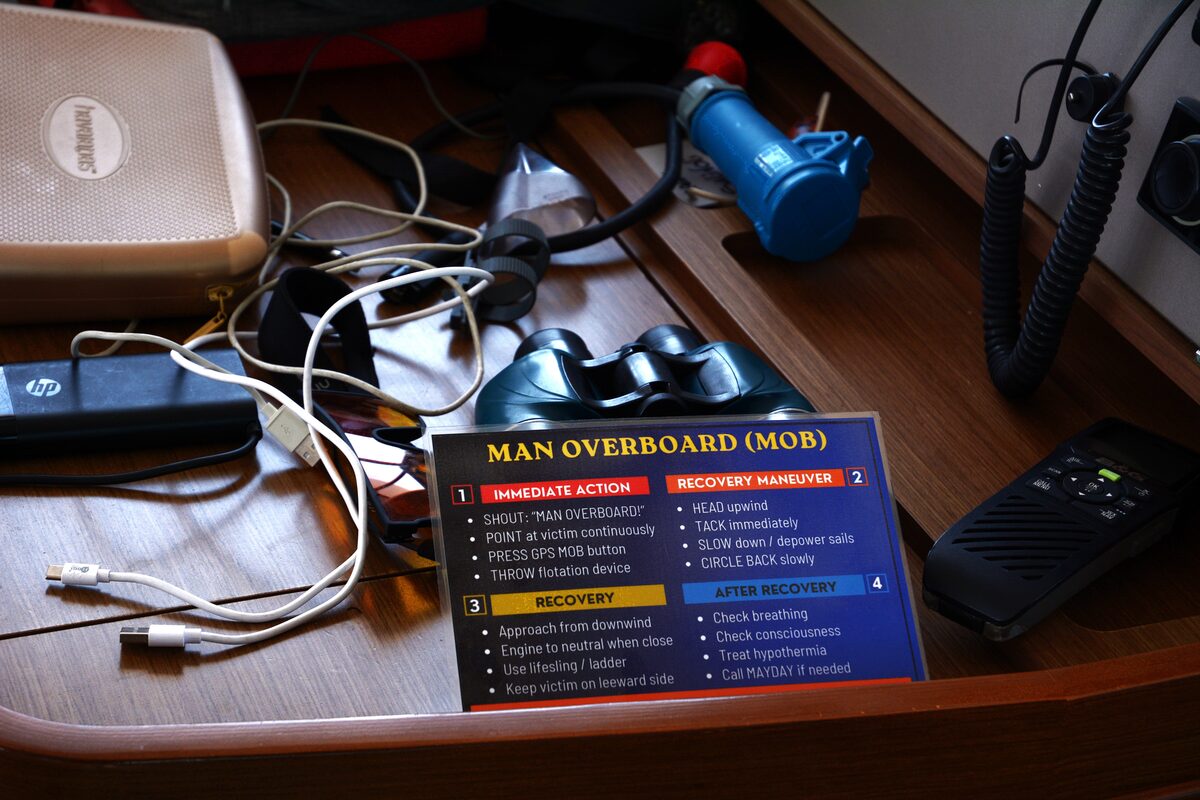
During the CYC Seattle Possession Point Race on March 8, 2025, two sailors were thrown overboard in rough conditions. The crew's response followed the sequence sailors are taught and almost never actually rehearse: shout "Man overboard," point continuously at the person in the water, execute a Quick Stop maneuver to bring the boat back, and deploy a Lifesling for recovery. Both sailors were back aboard safely. What made the difference wasn't equipment — it was that the maneuver was already muscle memory before the moment it mattered.
The case that didn't go as planned
Off Shippan Point, Connecticut, a 30-year-old sailor's boat capsized. He managed to right it but was left adrift, and it was beachgoers on shore — not a drilled crew response — who spotted him and alerted first responders. He was rescued by police boat and treated for hypothermia. He survived, but the sequence that saved him was improvised, not rehearsed, and it depended on someone else noticing in time.
Both cases are 2025 incidents in the same general waters. The variable that separated a two-minute recovery from an open-water drift wasn't the weather or the boat — it was whether a procedure existed before the moment it was needed.
Navigation Lights & Signals Checklist
35 cited checks across lights, day shapes, sound and distress signals — keep it aboard. Enter your email and we'll send the PDF.
The call that has to be ready too
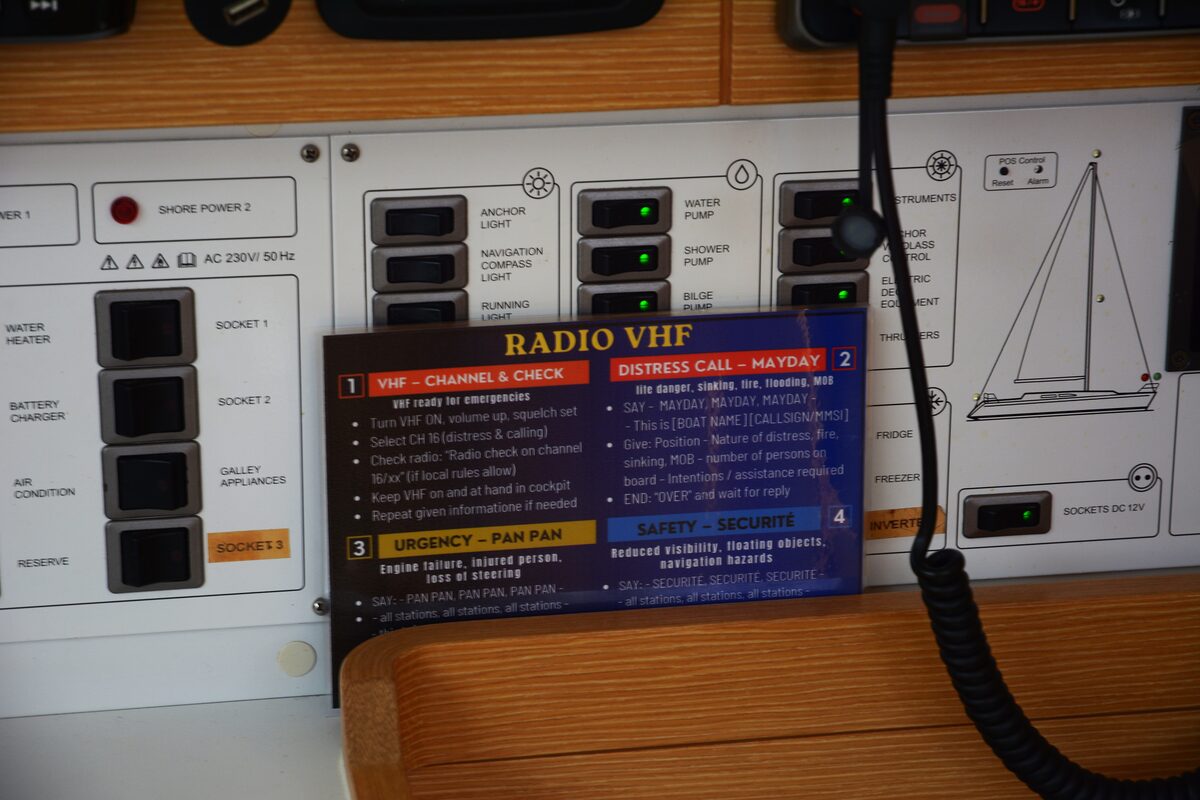
A MOB recovery and a MAYDAY call are two different drills that both fail for the same reason: nobody wants to be improvising the exact wording while adrenaline is running. "MAYDAY, MAYDAY, MAYDAY — this is [boat name], [callsign] — man overboard, [position] — [number] persons in the water" is not complicated, but it needs to be within reach, not remembered from a course you took two seasons ago.